Tradeflame aluminium brazing rods: what to check before you buy
TORVPRO LEARN - PRACTICAL SIZING & SETUP GUIDES
Published 10 November 2026 · Last reviewed 10 November 2026
What the Tradeflame listing tells you
The Tradeflame aluminium brazing and welding rod sold by Bunnings New Zealand is listed as 4043 alloy in a four-rod pack. A Tradeflame product catalogue mirrored on Scribd lists a 2 mm diameter, a working range of 574 to 632 °C, and an average tensile strength of 200 MPa. Those are useful reference points when you are trying to replace a rod that worked on your job.
Those details belong to that listed product. TorvPro does not claim that every rod we quote is 4043, 2 mm, or a direct Tradeflame replacement. Alloy, diameter, length, flux form and pack quantity are confirmed before supply.

| Reference detail | Listed Tradeflame product |
|---|---|
| Filler alloy | 4043 aluminium |
| Diameter | 2 mm |
| Working range | 574 to 632 °C |
| Pack quantity | 4 rods |
| Average tensile strength | 200 MPa |
4043 is a useful clue, not a complete match
A 4043 label tells you the filler alloy. It does not tell you whether the rod will suit an unknown casting, a thin extrusion, or a joint that has to carry load outdoors. Start with the metal you are joining and the service conditions. Then use the filler specification to narrow the choice.
Bunnings describes 4043 as a general filler alloy with silicon added to improve fluidity. That helps explain why it appears in so many aluminium repair kits. It still does not make one rod suitable for every aluminium alloy or every joint design.
If you know the grade of the parent metal, include it in your enquiry. If you do not, a photograph of the part and a note about where it came from are better than guessing an alloy number.
Check diameter and working range
The 2 mm figure matters when you are replacing a rod by hand feel or by the amount of filler a small joint needs. A different diameter can change how quickly the rod feeds and how easy it is to control on thin material. Measure an old rod if you have one, or tell us the joint size and section thickness.
The 574 to 632 °C working range belongs to the filler, not the torch. A torch specification such as maximum flame temperature does not guarantee a sound joint. The workpiece has to reach the right temperature without overheating the surrounding metal, and the joint mass decides how difficult that will be.
For a first order, match the old rod diameter and working range where possible. If those details are unavailable, ask for a sample recommendation instead of buying a carton on the strength of the word aluminium alone.
Do not guess the flux
Some rods carry flux as a coating or in a core. Others need a separate flux. The difference changes what you need to order and how you prepare the joint.
Check the original packet or product listing. If the old rods had a coloured coating, photograph it, but do not identify a flux system from colour alone. Tell the supplier whether you need a flux-coated rod, a flux-cored rod, or separate flux, and ask for confirmation on the quotation.
Clean the parent metal before testing any rod. Oil, paint and heavy oxidation can make a suitable filler look unusable. Test on scrap from the same job rather than learning on the finished part.

When an air torch is enough
A small aluminium repair or a light copper joint can be practical with a handheld air torch and a filler designed for that heat range. Thick castings, large sections and long heating runs are less forgiving. They pull heat away quickly and may need a different heat source.
The 604 EN417 torch head has a quoted maximum flame temperature of 1300 °C. That figure is useful for checking a process window, but it is not a promise that every aluminium repair will work. Send the joint dimensions and a photograph if you are unsure.
A sample joint is the cheapest way to settle the question. Heat the scrap, watch how the filler wets the surface, then let the joint cool and test it in a way that reflects its actual service. Do not move to production quantity until the result is acceptable.
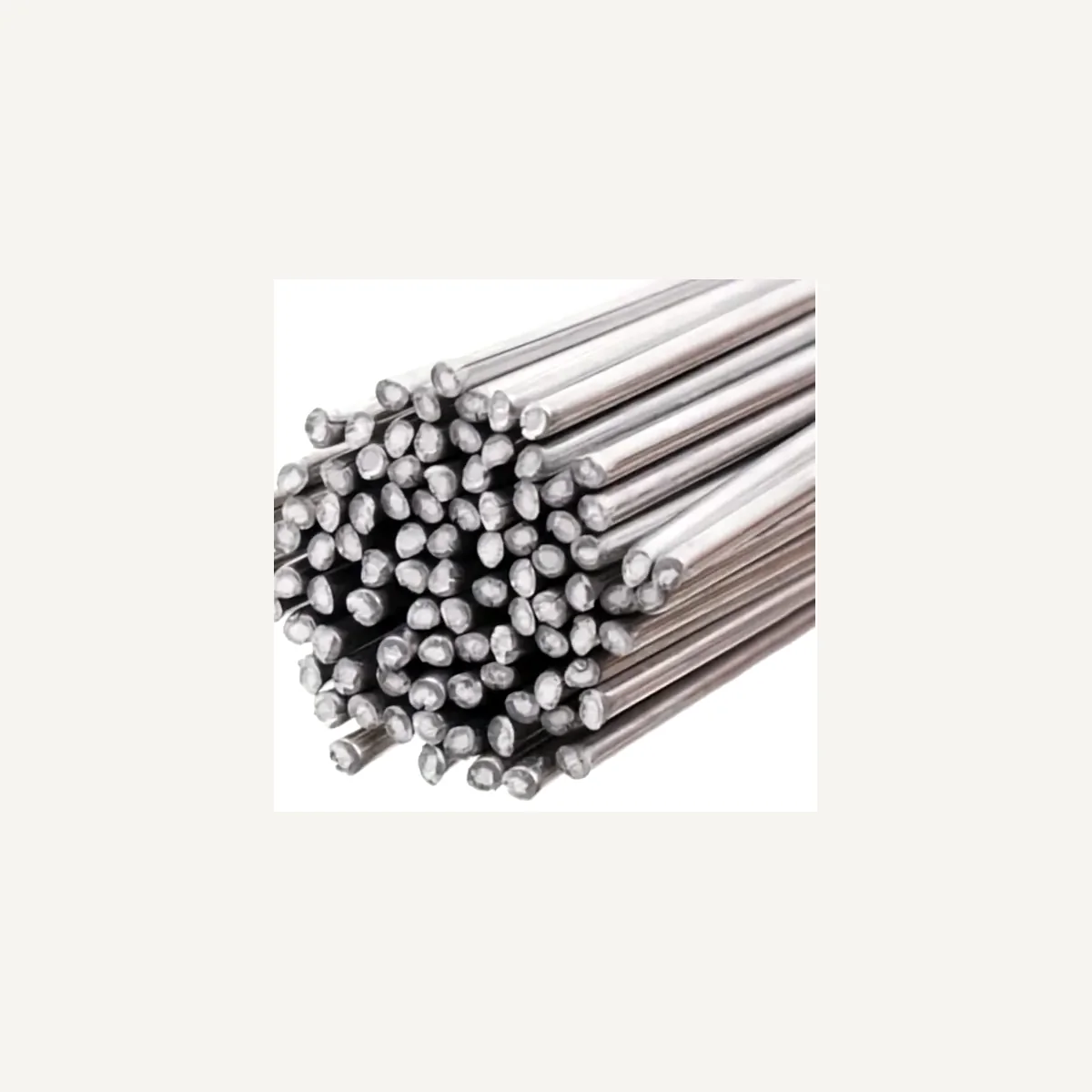
Send this list for an alternative quote
A useful enquiry lets us quote the rod and the pack, not just reply with a generic catalogue. Use the table below as a checklist. A photo of the old packet is often enough to answer several rows at once.
| Detail | What to send |
|---|---|
| Current rod | Brand, alloy, diameter and length, or clear photos of the rod and packet |
| Parent metal | Aluminium, copper or mixed metals; alloy grade if known |
| Joint | A close photo, section thickness and approximate dimensions |
| Flux | Coated, cored, separate, or not known |
| Heat source | Torch model and fuel, or a photo of the head |
| Order | Trial or production quantity, destination country and required timing |
Start with the rod or the repair kit
If you already have a torch, ask about aluminium and copper brazing rods. If you need to test the torch and filler together, the 604 head with brazing rods is the more useful starting point.
For a quote, use the brazing rod enquiry form. Include the checklist above and say whether you want a small trial quantity or a repeat supply. We will confirm the actual rod specification and carton quantity before you order.
Sources for the Tradeflame reference
Product specifications can change, so use the current packet and supplier documentation for a final match. The figures on this page were checked against the Bunnings New Zealand Tradeflame aluminium rod listing and the Tradeflame product catalogue mirror, part 211567 on 2026-11-10. TorvPro is not affiliated with Tradeflame, Bunnings or Scribd.
Quick answers
Are TorvPro rods the same as Tradeflame 4043 rods?
We do not make that claim by default. The Tradeflame figures here are a reference for the listed retail product. TorvPro confirms alloy, diameter, length, flux form and pack quantity for the rods quoted in your order.
Is 4043 suitable for every aluminium repair?
No. The parent alloy, joint design, section thickness and service conditions all matter. Use 4043 as one specification to check, not as proof that a rod will suit an unknown part.
Can I use aluminium brazing rods with a 604 torch head?
It depends on the filler working range and the joint mass. The 604 has a quoted maximum flame temperature of 1300 °C, but the workpiece still has to reach the correct temperature. Test a sample joint on scrap before ordering production quantity.
What should I send for a brazing rod quote?
Send the old rod and packet details if available, the parent metal, joint photos and thickness, flux preference, torch model, quantity and destination country. We can then quote a trial pack or repeat supply with the specification stated.